Loamy Blog

Traceability, compliance, and the food supply chain

Practical articles for food producers, operations teams, and compliance managers navigating FSMA 204, supplier certificates, and recall readiness.

All articles

Regulation

FSMA Section 204 Enforcement Has Arrived: What Food Producers Must Do Now

FDA's Food Safety Modernization Act Section 204 traceability rule moved from guidance to enforcement. Here is a plain-language breakdown of the Key Data Elements and Critical Tracking Events your supply chain must capture, along with what the 24-hour records request actually means in practice.

Marco Benetti
Industry

How Long Does a Real Produce Recall Response Take? A Look at the Data

FDA enforcement data shows that the average food producer takes 2-4 days to identify affected lots after a Class I recall is issued. We examine the supply-chain bottlenecks that create that lag, and what a structured traceability graph changes about that timeline.

Charles Julius
Regulation

Produce Safety Rule vs. FSMA Section 204: Understanding the Difference

Many small produce operations conflate the FDA's Produce Safety Rule with the newer Section 204 traceability requirements. They have different scopes, covered commodities, and recordkeeping obligations. This post clarifies which applies to your operation and where the two overlap.

Marco Benetti
Operations

Getting Suppliers to Submit Compliant Certificates: A Practical Onboarding Playbook

The weakest link in most traceability programs is not your internal systems: it is certificate quality from Tier-2 and Tier-3 suppliers. We share the supplier outreach templates and certificate submission standards our early pilot customers have used to achieve high on-time certificate receipt rates.

Loamy Team
Product

Traceability Graph vs. Spreadsheet: What a Mock FDA Recall Request Reveals

We ran a head-to-head test with an early pilot partner: a fresh-produce operations team responded to an identical mock FDA lot-trace request using their existing spreadsheet system and then using a Loamy graph. Both the time-to-answer difference and the error rate difference were significant.

Priya Srinath
Regulation

The FSMA 204 Foods List: Does Your Product Qualify as High-Risk?

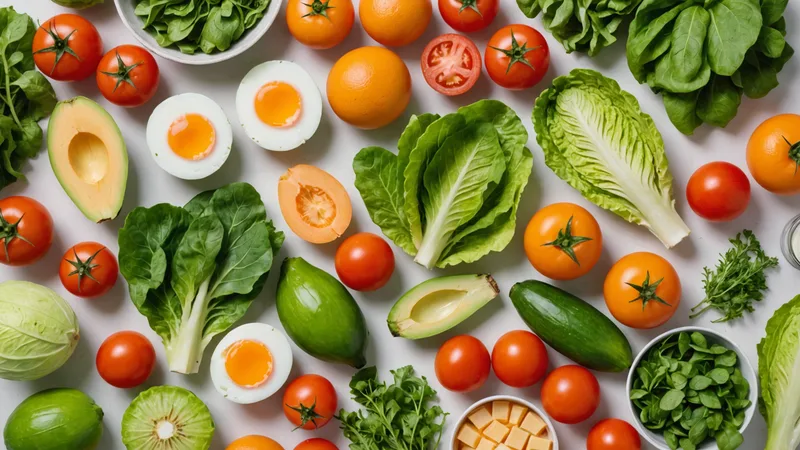
FDA's Food Traceability List covers 16 categories of high-risk foods, from leafy greens and tomatoes to shell eggs and nut butters. We break down each category, the specific KDE requirements that apply, and the questions food manufacturers should ask about their ingredient supply chains.

Marco Benetti
Operations

Lot-Level Traceability Fundamentals: What a Lot ID Should Contain and Why

Lot identification schemes across the produce industry are inconsistent: some use date codes, others use plant-line identifiers, others use customer-specific formats. FSMA 204 imposes minimum content requirements. This post explains what a compliant lot ID structure looks like and how to apply it.

Marco Benetti
Regulation

What Is a Critical Tracking Event? FSMA 204 CTEs Explained for Operations Teams

Critical Tracking Events are the supply-chain handoffs where food producers must record and retain data under FSMA 204. This introductory explainer covers the six defined CTEs (growing, receiving, transforming, creating, shipping, and cooling), with examples drawn from fresh produce operations.

Charles Julius
Company

Why We Built Loamy: The Phone Tree That Broke During a Recall

Two days. That is how long it took a produce shipper we worked with to identify the affected lots after a bagged salad recall. The certificates existed: they were in email inboxes and shared drives. The problem was connecting them to actual shipments at speed. That gap is what Loamy is built to close.

Charles Julius